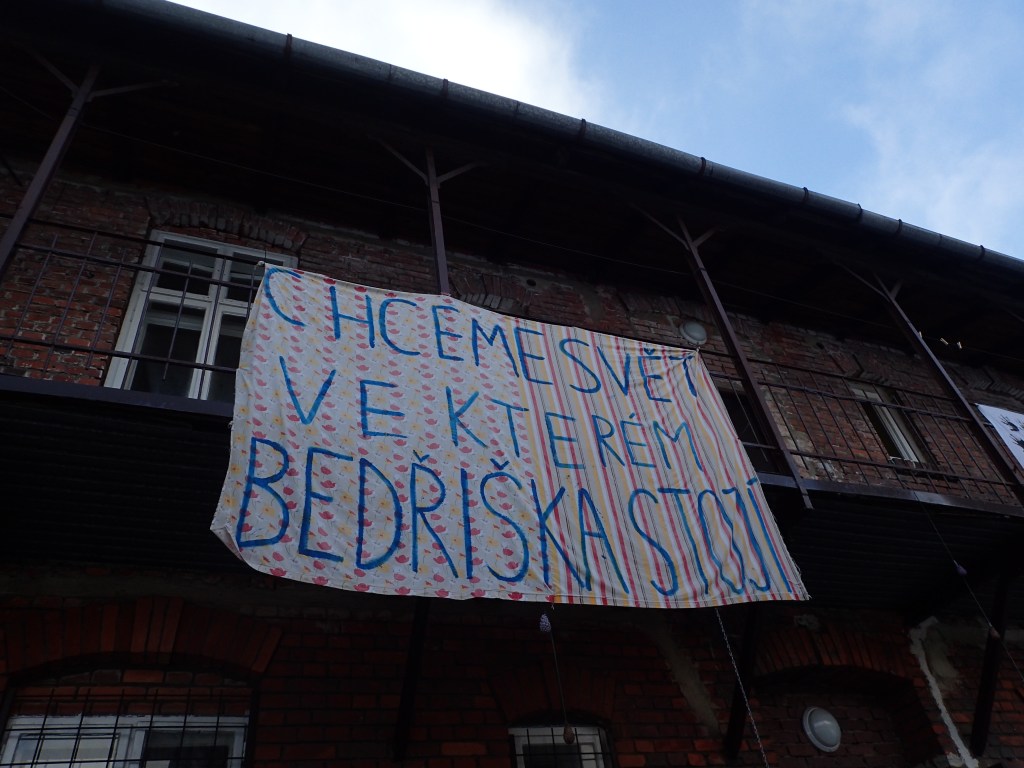
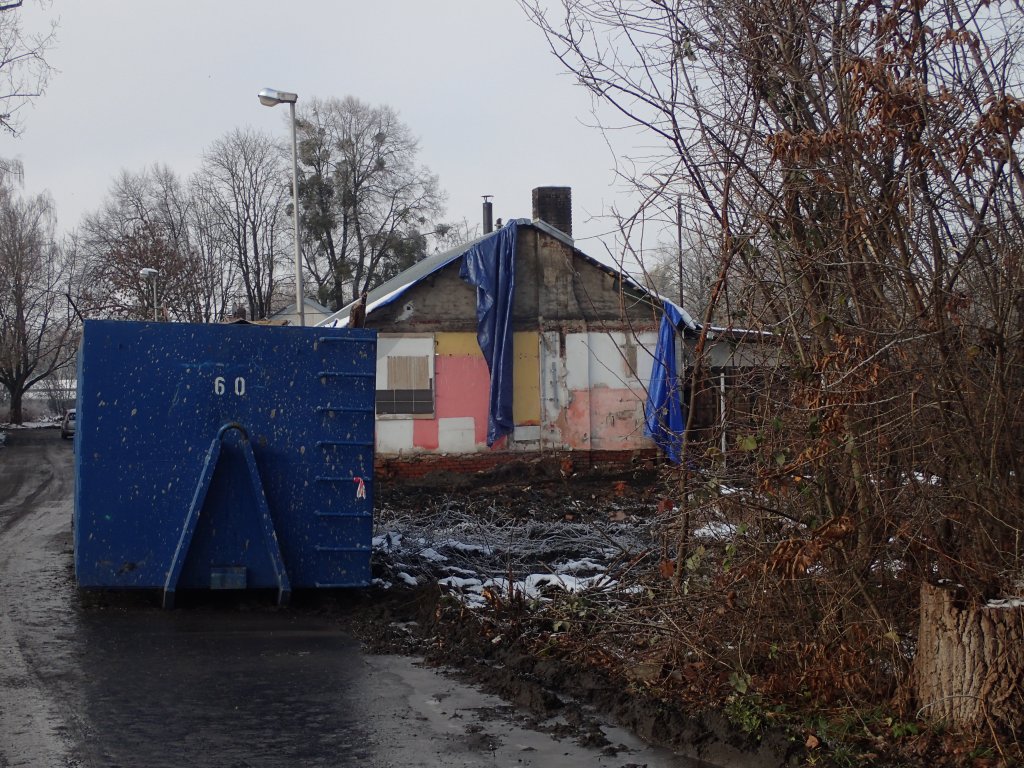
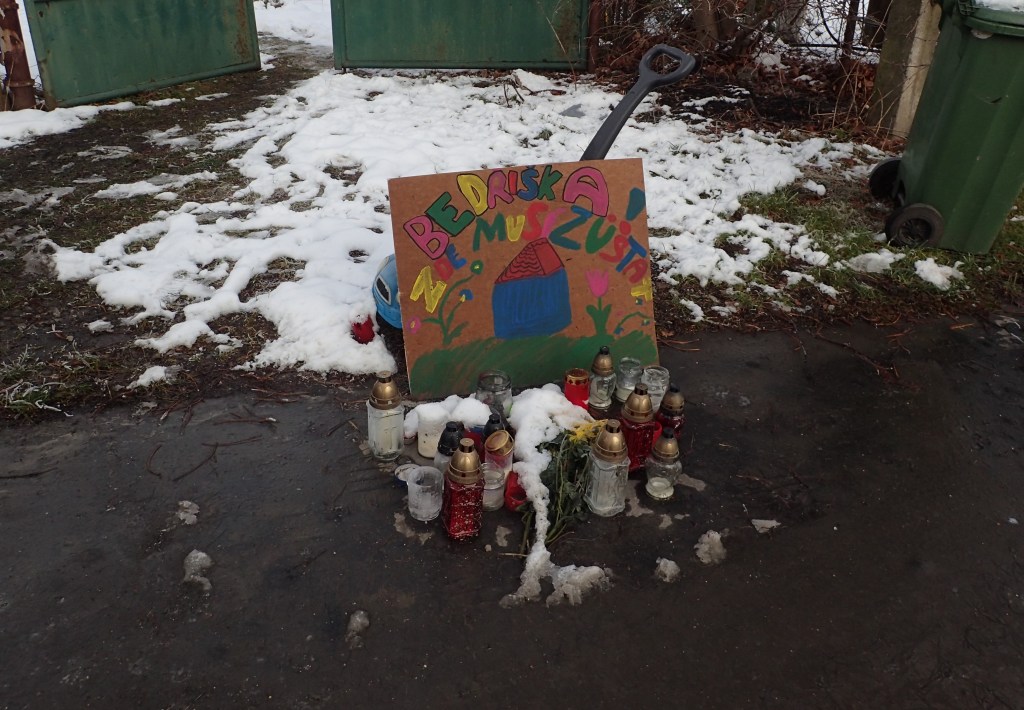
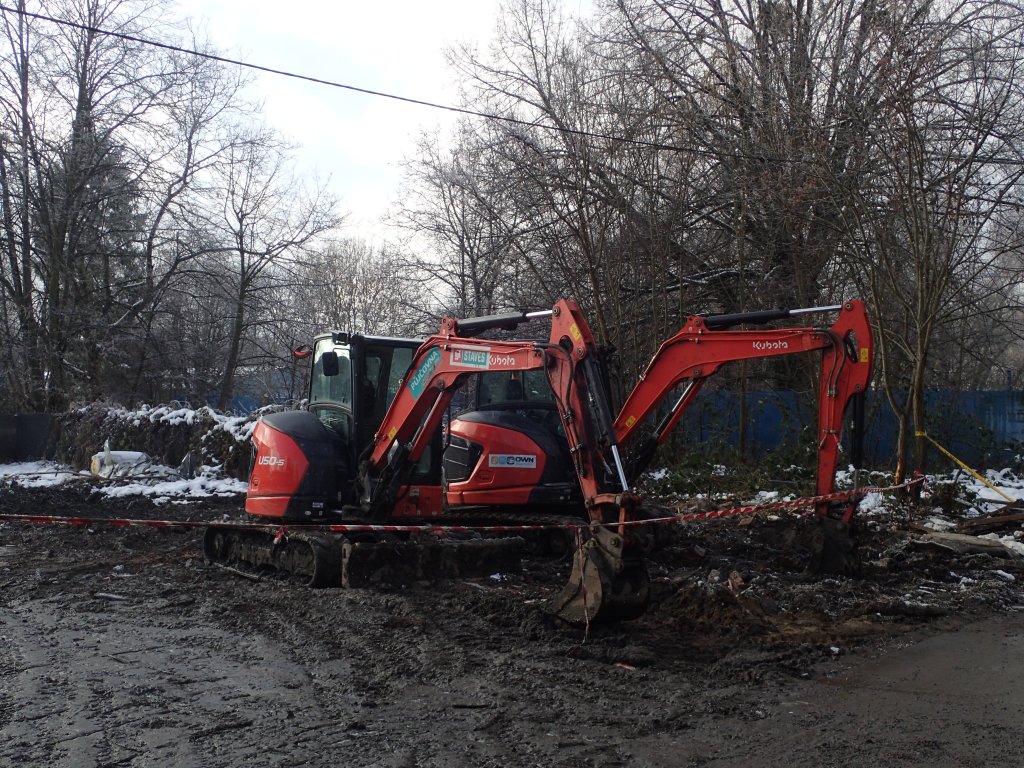
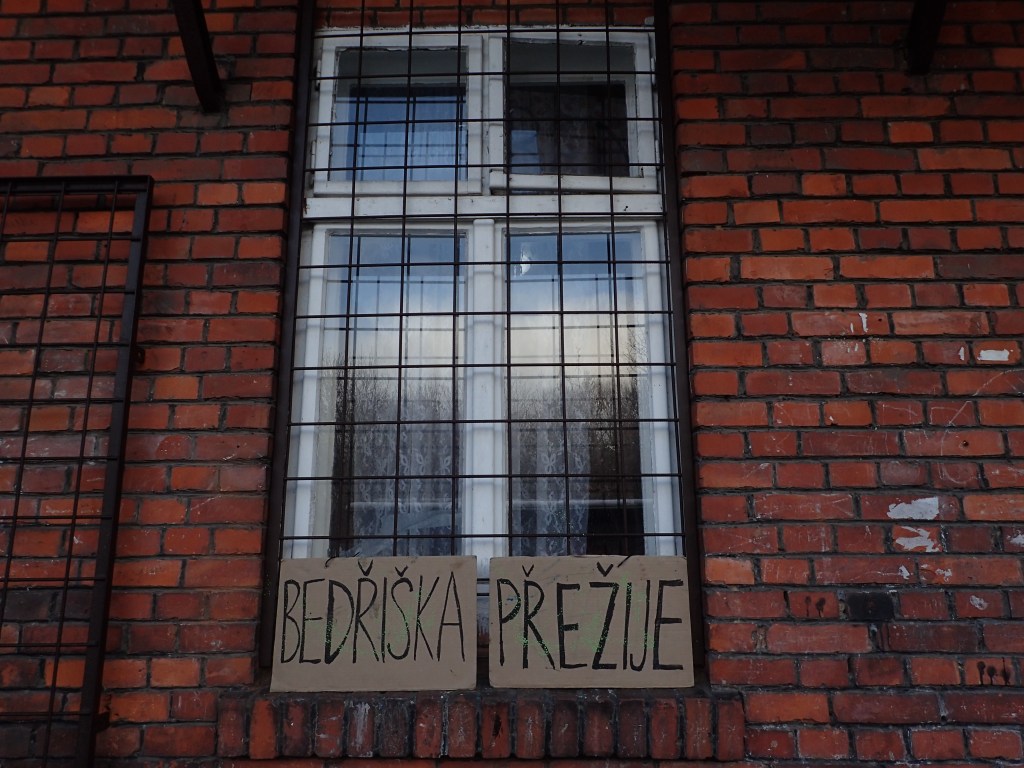
Between November 14 and December 8, 2025, a demolition crew knocked down several houses in the small settlement of Bedřiška in the Czech industrial city of Ostrava, intending to launch a complete clearing of the site. A unique instance of functioning coexistence between Roma and non-Roma residents in a local and national context harshly marked by ghettoization and racist spatial practice, Bedřiška has won support from leading Czech political and cultural figures, yet for many years has been slated for destruction by the government of its political district, Mariánské Hory-Hulváky. Demolition was halted by an order of the municipality issued on January 20, with the requirement of additional studies of its potential and future trajectories before any further action; the ruling passed into effect as of March. Though the strong response by residents and local activists to preserve the settlement – both in its built and social aspects – is clearly hopeful, its fate nonetheless remains highly precarious.
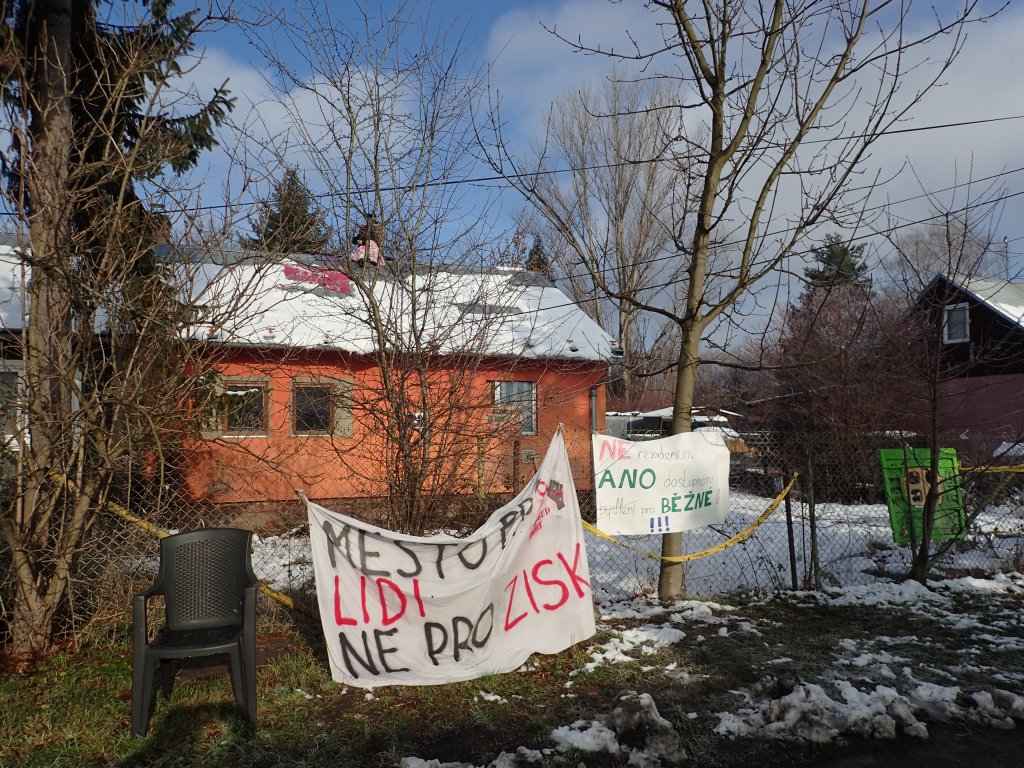
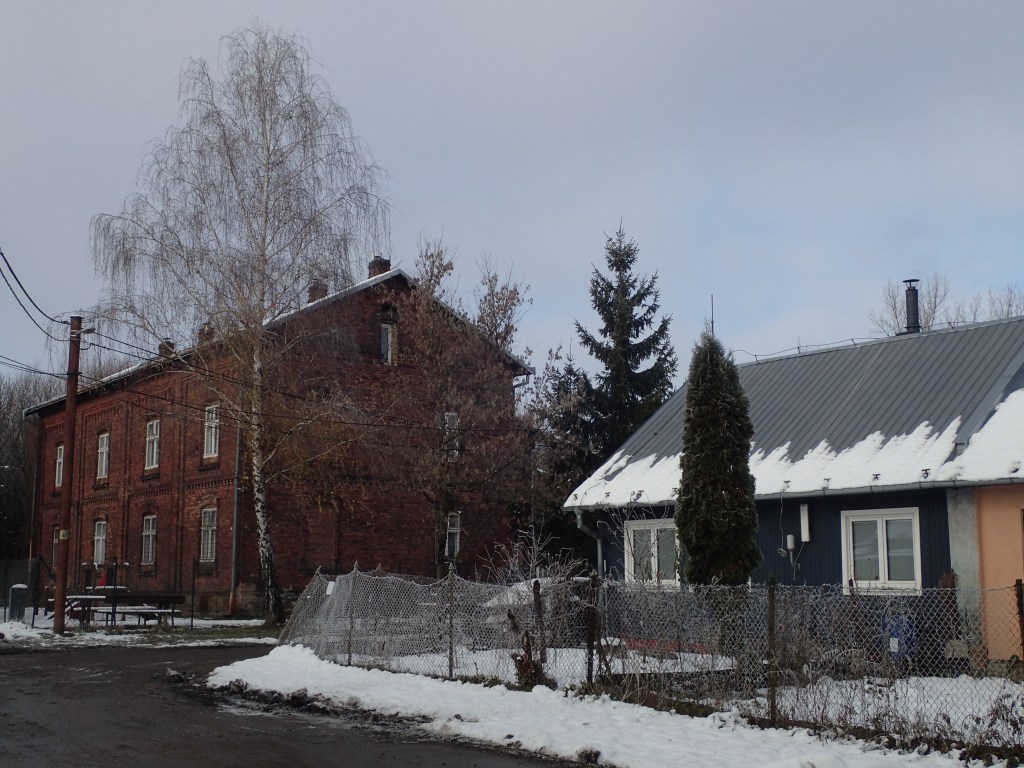
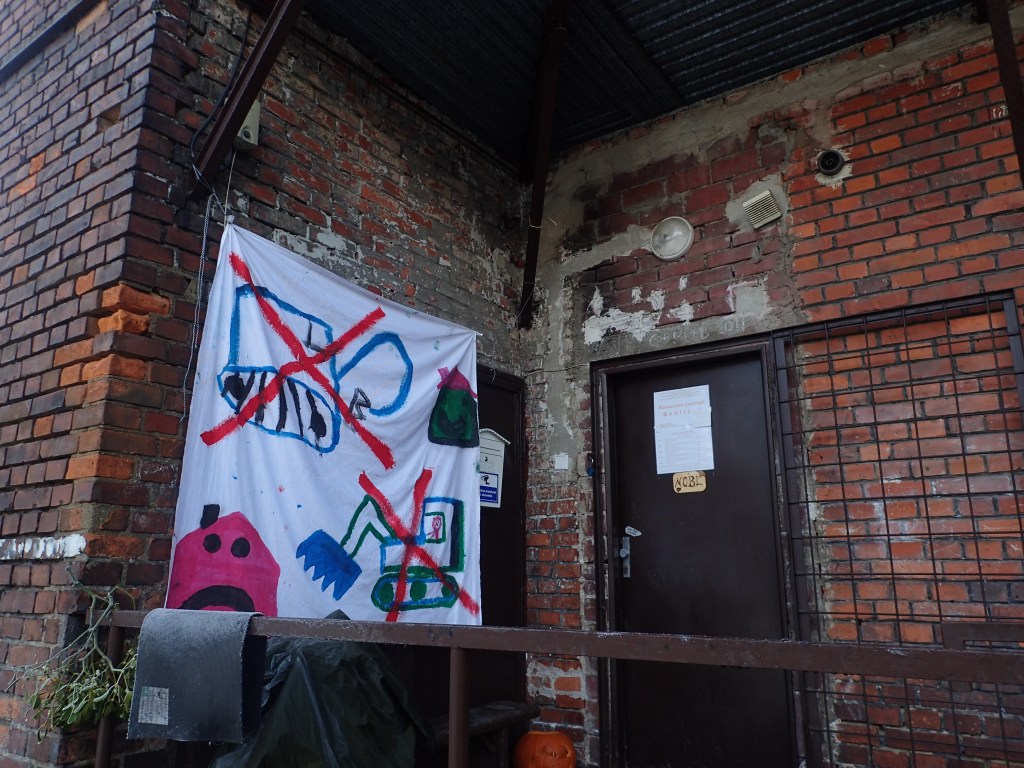
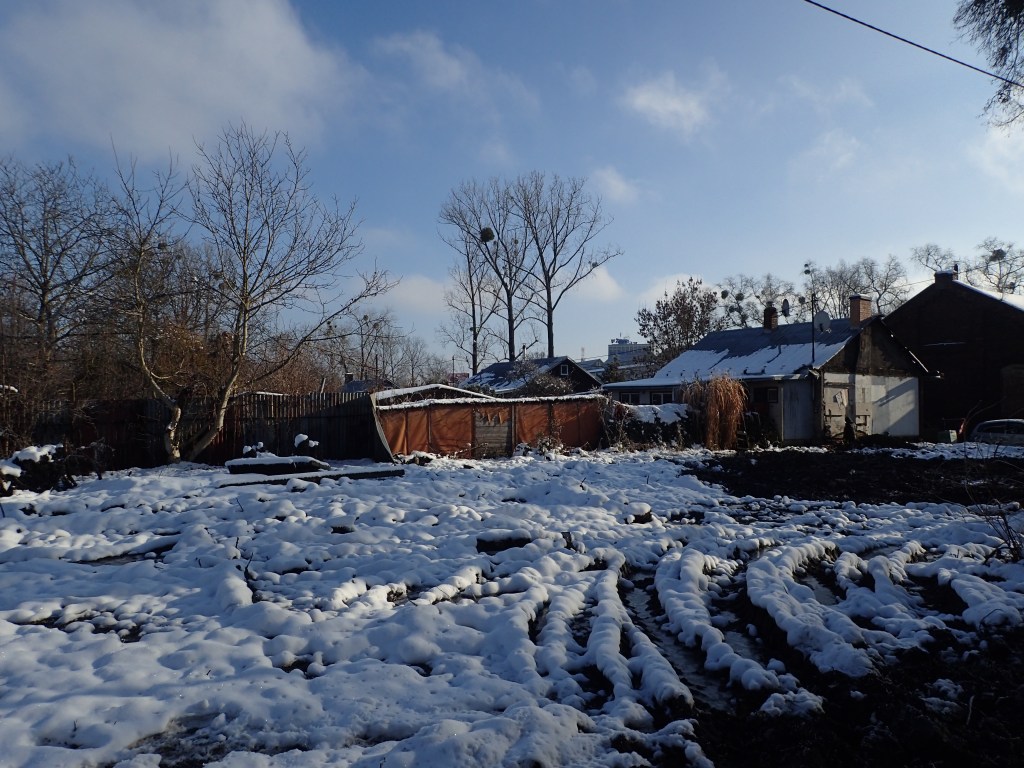
At first sight, Bedřiška hardly resembles a locality for demolition. A casual viewer might take it for a modest suburb, a group of weekend cottages, or a somewhat more lavish garden allotment. Set at a generous remove from the main roads, it consists of a few rows of small houses among abundant vegetation, except for the two-storey Habsburg-era brick structure at the far end, which contains several apartments and the community centre. It might also, at least visually, recall one of the informally constructed “emergency colonies” (nouzová kolonie) that formed interwar Czechoslovakia’s version of the American Hoovervilles during the Great Depression. Though most have now vanished, a few such self-built neighbourhoods survive today, such as Prague’s Slatiny; others were transformed into allotments during the 1960s with the rise of prefabricated construction and the massive housing investments under Communist rule. Bedřiška’s actual story, however, is notably different.
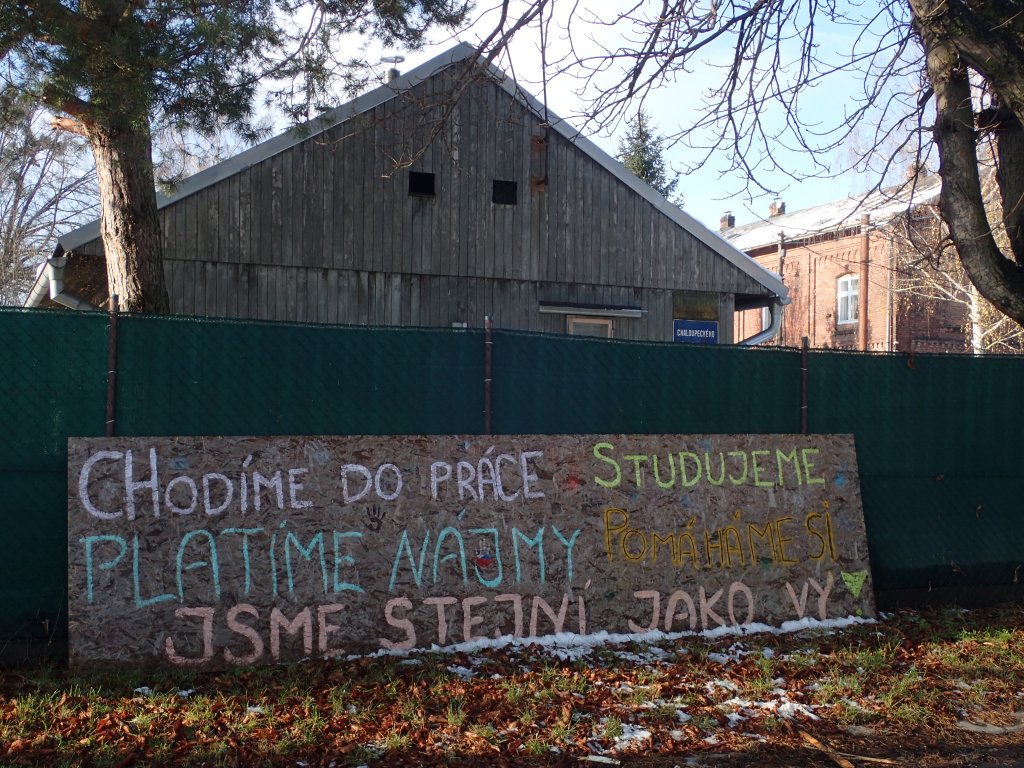
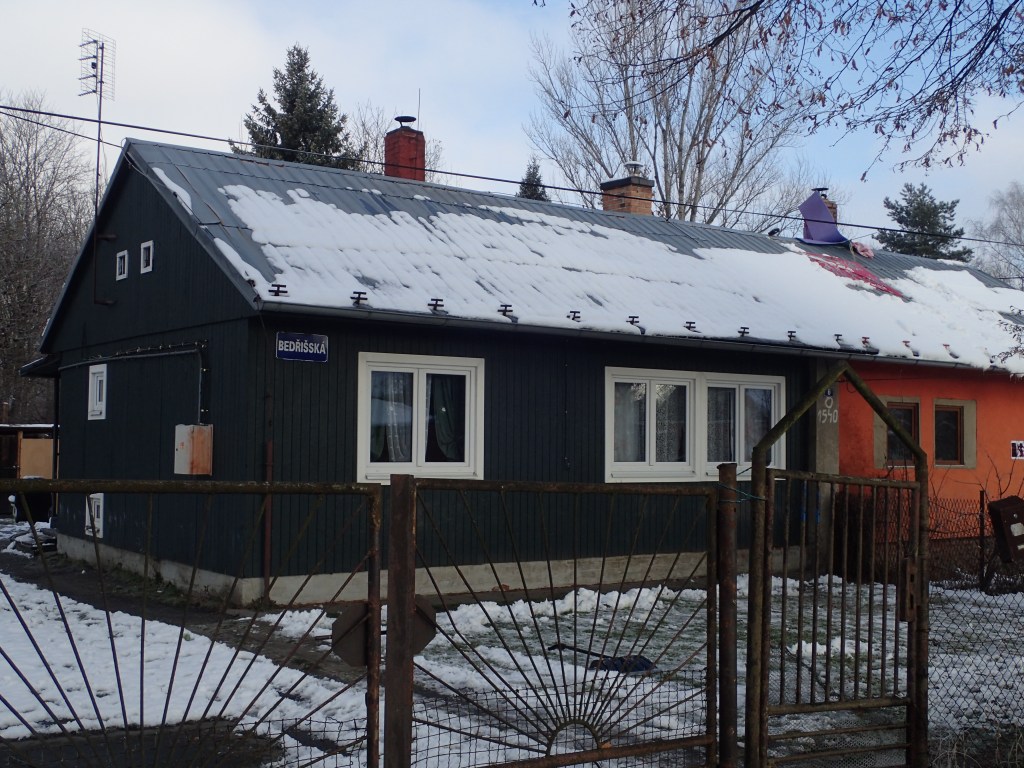
Bedřiška’s origins date from the start of the 20th century, when its two brick structures were erected near the Bedřich pithead to house coal miners and their families. The collapse of the mineshaft two years later, though, halted further development for nearly fifty years until 1949, shortly after the Soviet-backed Czechoslovak Communist Party seized power in the “Victorious February” coup of 1948. Ostrava’s then largest employer, the recently nationalized mining conglomerate OKD, decided its workers could most economically be housed in prefabricated wooden duplexes matching the type of emergency housing supplied from Finland across the desolate rubble of postwar Europe. To this end, it built several settlements of these “fiňoky”, as they became known, across the greater Ostrava region.
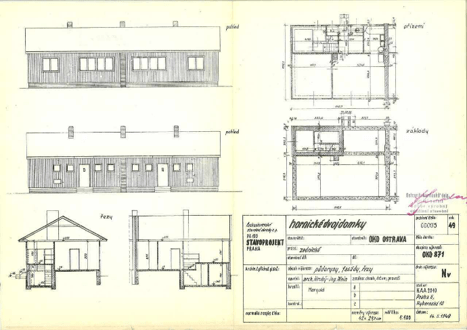
Plans for the Bedřiška “miners’ duplexes” from the state construction firm Stavoprojekt. Archive of the City of Ostrava, via
https://www.delnickekolonie.cz/bedriska
Sociologist Slavomíra Ferenčuchová, who has written extensively about socialist-era urban planning and the place in it of the typology known as the “Finnish house” (though the design originated in Sweden), describes them as a cosmopolitan form in the often-autarkic planned economies of the Cold War era. In their earliest realizations, they were prefabricated in Finland and distributed through the United Nations Relief and Rehabilitation Administration after 1945 as temporary residences, present in both Europe’s US and Soviet zones. Later, socialist Czechoslovakia’s vast state design institute Stavoprojekt used the Scandinavian patents to create its own designs: these designs, manufactured in Czechoslovakia, were in fact used for the houses of Bedřiška. Clusters of “finské domky” appear in many other Czech towns besides Ostrava; significant settlements likewise exist in Poland, to note Warsaw’s famous (if equally threatened) Jazdów estate or the Silesian mining district not far to Ostrava’s north.
This cross-border link is hardly accidental: as in many other aspects of its physical and historical structure, Ostrava remains shaped by its position at the southern edge of the Upper Silesia coal basin. The anthropogenic geology of the greater area between Ostrava proper, the eastern satellites of Orlová and Karviná, not to mention the deliberately planned workers’ city of Havířov in its full socialist-realist splendour, is essentially a space of coal extraction and exploitation, even if the steel mills have long since been converted into commercial space and the last load of local bitumen left the ground on January 31, 2026.
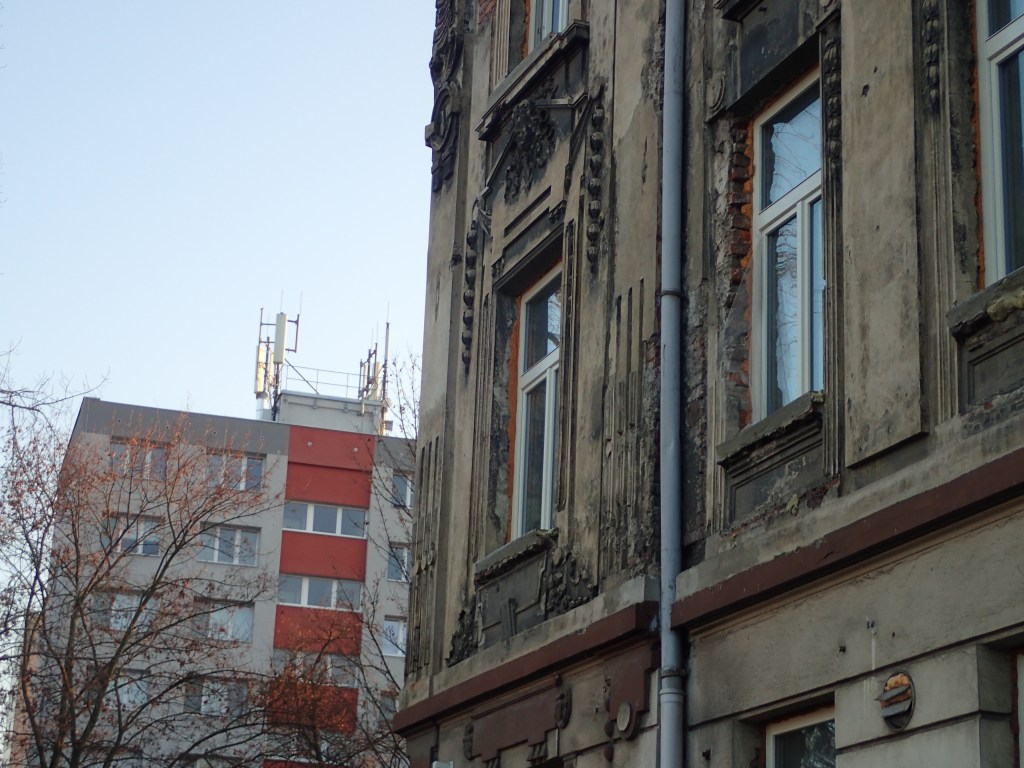
From 1948 to 1989, Ostrava thrived under command-economy policies favouring coal and steel; among the pitheads and blast furnaces, it grew into a scattershot array of self-contained urban nodes. Essentially, the city’s form can be divided chronologically into three main layers: the original pre-1945 city core, the pompous Stalinist-Classicist planned “pseudo-Leningrad” of Poruba built in the 1950s significantly to the west (thanks to the prevailing winds of continental Europe, thus spared the toxic exhalations of coal-burning), then finally the prefabricated concrete monoliths of the 1970s and 1980s, primarily in the southern outskirts, though unavoidable all across the city’s area.
Architectural historian Kimberley Elman Zarecor characterized Ostrava as an “urban agglomeration organized around nodes, a very different kind of urbanism from a classic European radial city or a socialist realist grand ensemble”. And perhaps even more crucial are the many indeterminate spaces found between the larger nodes: uncultivated terrains vagues from slagheaps and polluted lagoons through vital green islands, all the way to the urban villages of Bedřiška and similar settlements. Zarecor stresses the unexpected resilience of this organization confronting the shocks of the 1990s, between deindustrialization and rising unemployment on one side and dire predictions of apocalyptic collapse on the other.
Yet if the spatiality created by socialist Fordism proved advantageous under capitalism, the ownership structure and its changes present a radically different story. Most of Czechoslovakia’s housing construction was built by the state; in Ostrava, by contrast, the state-owned coal monolith OKD produced the overwhelming majority of the 1948-1989 built fabric, which remained in company hands up until the entity’s full privatization in 2004. Finance oligarch Zdeněk Bakala, instead of following usual procedure and selling properties to their current tenants at below-market rate, transferred the enormous real-estate portfolio – at nearly 103,000 tenants, the largest in post-Communist Europe – to his own company, RPG Byty; it subsequently was sold onward to the US corporation Blackstone and eventually the current owner, the Swedish corporation Heimstaden.
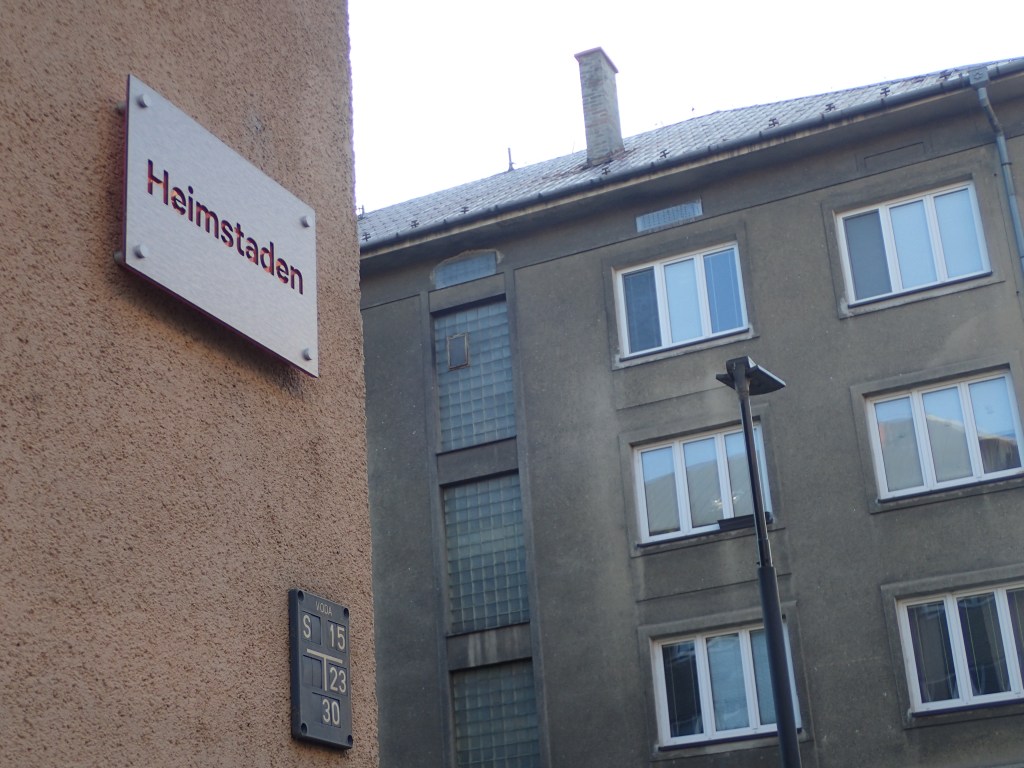
Bakala, while taking care to improve his image in the metropolis through bankrolling the liberal weekly Respekt or (until very recently) the Václav Havel Library, remains generally loathed in Ostrava for depriving many residents of the privatized real estate – even a prefab-block apartment – that often constitutes the sole source of Czech intergenerational family wealth. While the case of privatizing former company-owned flats to venture capital is not unique in the Czech context, note for instance the case of the Prague housing estate Písnice, the sheer scale of the RPG –Blackstone – Heimstaden deal and the social corrosion it spawned place it among the most damaging instances of spatial injustice in the entire post-1989 era.
Worse, housing privatization struck far harder at those without any chance of ownership altogether, none more so than the Czech Roma. Ostrava had once been a major destination for the migration of Czechoslovakia’s Romany minority, primarily from desperately impoverished villages in rural eastern Slovakia. Roma settlement under socialism was strictly state-controlled, in some cases little more than forced population transfers, even omitting the violent sedentarization of the last nomadic Roma groups in 1958, or of course the genocide of World War II. And yet, the wider trajectory of movement, leaving desperate rural poverty for Czech and Moravian industrial regions, might recall the African-American Great Migration of the 20th century USA on a smaller scale – when urban areas provided clear material advancement and slightly better legal protection, yet with persistent discrimination and structurally enforced social or educational disadvantage.
Then, during the 1990s, Roma workers became the very first to be sacked in the first wave of industrial decline. Open racism erupted from the city’s skinhead and football-hooligan subcultures; indirect racism disguised as “civic improvement” saw Roma families unceremoniously evicted from the historic centre, particularly for the creation of the Stodolní nightlife district. And Ostrava’s spatial nodality proved all too adaptable to segregationist policies. In particular, the workers’ colonies, as self-enclosed settlement units, provided extraordinarily useful infrastructure for separating Roma residents into isolated ghettos. Whether in private or municipal ownership, colonies of both Habsburg and socialist vintage became the collecting points for racialized exclusion. A catastrophic flood in 1997 meant further displacement when it destroyed the district of Hrušov, a majority-Roma area since the 1980s after highway construction cut it off from the rest of the city.
Implementing “racialized residential capitalism” in the postcommunist years, in short, confronted most Czech Roma with a continual state of what could be termed “root shock” or “chronic displacement trauma” as a social experience. Life in these forced-displacement localities can be seen, for instance, in the recent documentary film The Impossibility: though set in Brno, the situation of these poverty-business “hostels” remains applicable nationwide. And Bedřiška was consigned for several years to the same status. In 1997, Liana Janáčková, then district mayor of Mariánské Hory-Hulváky –by this point the owner of the land and houses in Bedřiška – offered to pay for Roma residents to fly to Canada, after the airing of a crudely manipulative documentary on a Roma family in Toronto on the private Nova TV station sparked a wave of attempts by Czech Roma to apply for asylum. One decade later, already elected to the Czech Senate, she made her intentions clear on the future of Bedřiška as a Roma settlement, when a secret recording was leaked to the media:
“I don’t believe in integrating gypsies so that they’d be living throughout the district. Unfortunately we chose Bedřiška, so that’s where they’ll be, surrounded by a high fence, an electric fence if you like, and I’ll happily shout that out to the whole world.”
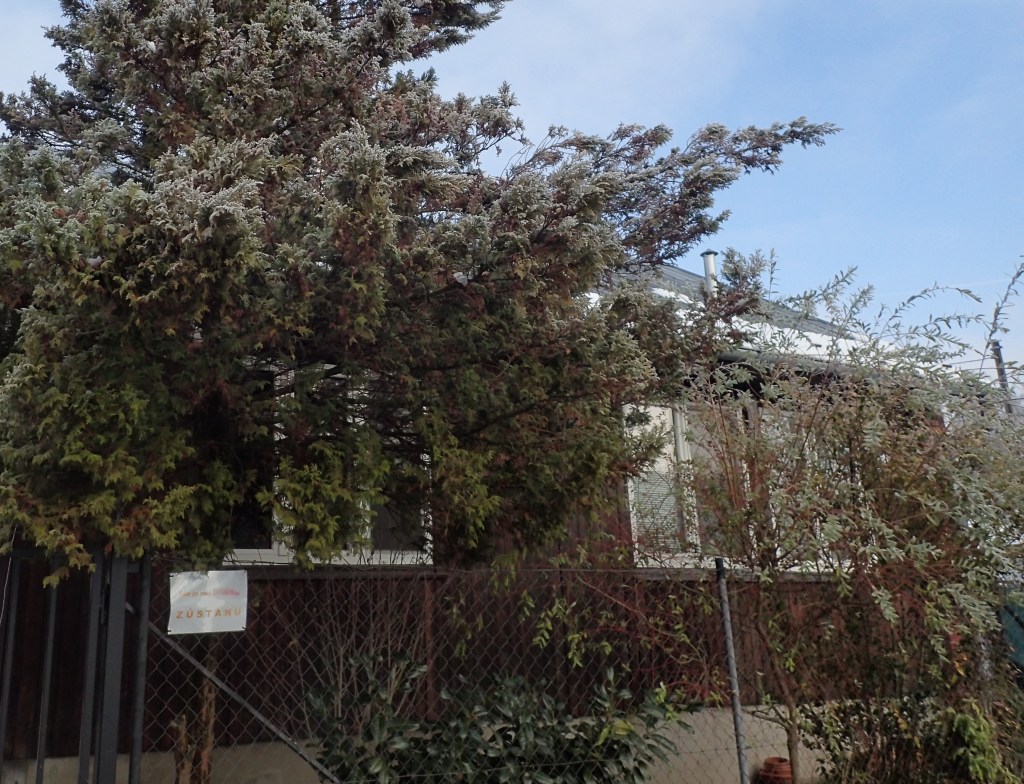
By 2010, Bedřiška remained without the electric fence, but the situation in the settlement had grown still more unpleasant. Matters came to a head when a non-Roma resident threw a flaming bottle of ether into the house of a Roma neighbour; Janáčková claimed that the Roma family had staged the arson attack to help their chances of asylum in Britain. Against all the negative media attention, though, the Bedřiška residents themselves took matters into their own hands. Using the assistance of Indian-born activist Kumar Vishwanathan, known for his project of the “Coexistence Village” for the Hrušov residents displaced by the 1997 flood, they elected a community board for overseeing day-to-day life.
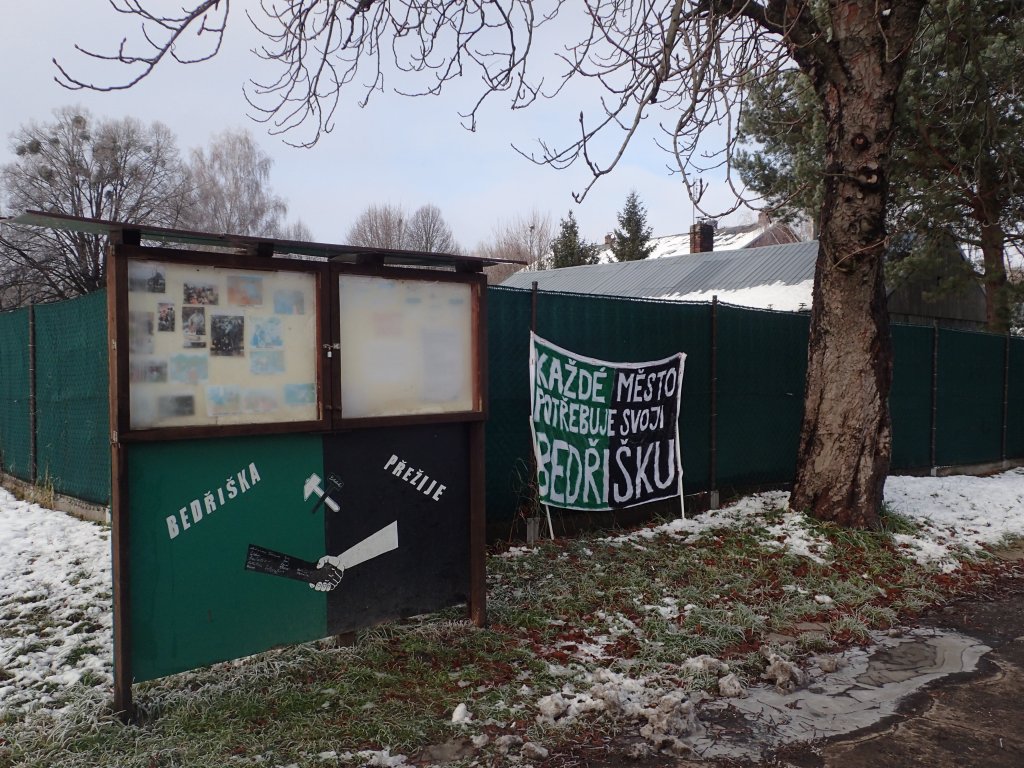
Eva Lehotská, a longtime non-Roma resident, assumed the function of board chair and unofficial social worker among the families – which she holds today. In her own response: “I’m most happy when I see how far the people of Bedřiška have come since 2010. When I see the clean streets, the maintained houses… […] When someone else says that they’ve decided to stay in Bedřiška as long as possible, because they believe me. And I’ll work to save Bedřiška as long as necessary, and as long as my strength holds.”
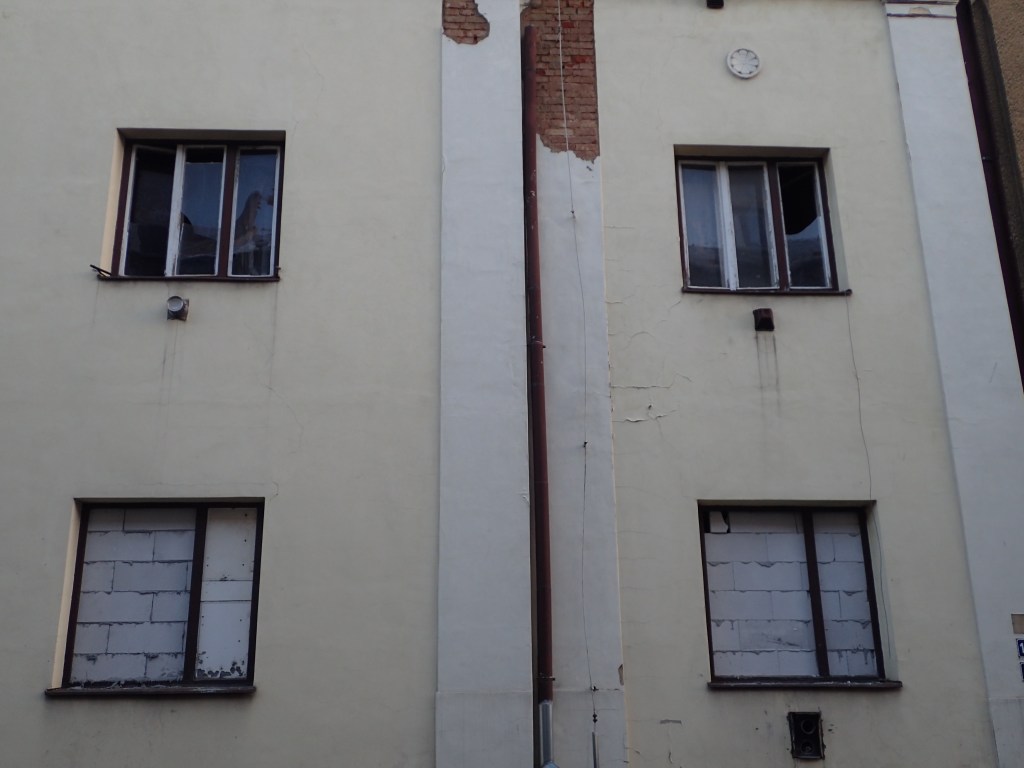
Yet despite the support for the settlement and its residents from major architectural programs, social scientists, government experts and even the current Czech president, Petr Pavel, the district of Mariánské Hory-Hulváky turned its longstanding threats into action and sent demolition crews to work. Except for four houses now in private ownership, Bedřiška remains council property. And in a long and well-documented history of racist actions, the district has extended its leases only for the non-Roma tenants; according to conversations with Bedřiška residents, all the Roma families have had theirs terminated.
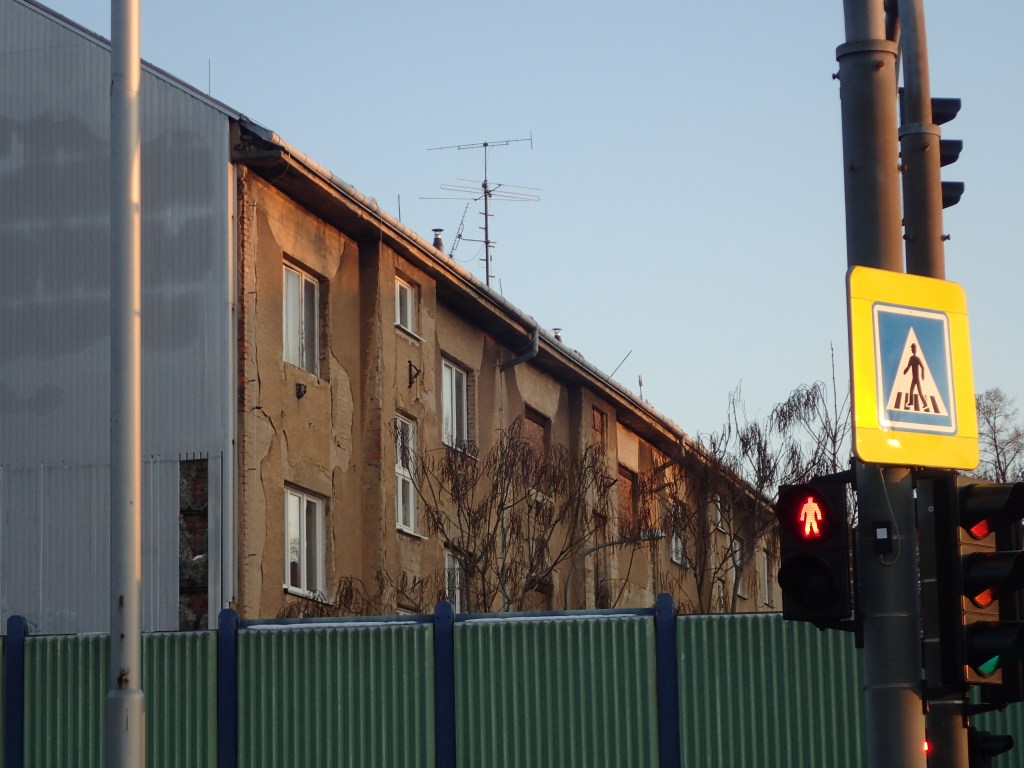
As for the district government, it has continually changed its stated justification for Bedřiška’s demolition, from the need for new social housing through a planned upscale residence for young professional families up to the alleged obsolescence of the houses. Currently, its future use for the land is entirely as a “strategic reserve” with no clear construction plans. And as for rehousing the members of the functioning inter-racial community – absolute silence. The most likely answer, though, is to the physically cut-off and socially chaotic Roma ghettos across Ostrava. Most striking is the Jílova-Cihelní area: interwar brick apartment blocks cut off between rail lines and motorway exits, isolated on its one open side by a concrete sound barrier – whose segregationist function is blatantly evident even from the window of a passing car.
The case of Bedřiška should – ideally – pose vital questions about built form at the intersection between community and materiality; of vulnerability and agency in urban activism; of architectonic paradigms between radical imagination and the marketist-technocratic approach of post-Communist Europe. Or to celebrate a successful instance of “Second World” spatiality that used its unusual architectural form to help overcome deep-rooted social mistrust. Instead, it merely reveals the deadly combination of racism, indifference, and thoughtless urbicide that traps all involved, whether racialized or not, in an unending cycle of social and physical destruction.
Martin Tharp
Keywords:
Romani racism space informal settlements activism urbanism post-Communist


Leave a Reply